Netflix Reopens the Chilling 1982 Case with New Evidence in COLD CASE: THE TYLENOL MURDERS
INTRODUCTION: A DEADLY MYSTERY THAT SHOOK AMERICA
In 1982, the Chicago metropolitan area became the epicenter of one of the most terrifying unsolved criminal cases in American history. Seven innocent people died suddenly, all after consuming Extra Strength Tylenol capsules. What linked them wasn’t a contagious illness or environmental hazard—it was cyanide, a lethal poison, inserted into ordinary bottles of a household painkiller. Despite one of the most intensive investigations in FBI history, no one has ever been charged with the murders.
Now, on May 26, 2025, Netflix will release a new docuseries called COLD CASE: THE TYLENOL MURDERS. This show will reexamine this decades-old mystery using new interviews, hidden case files, and evidence that has never been seen before.
HOW MANY PEOPLE DIED IN THE CHICAGO TYLENOL MURDERS

The first victim was 12-year-old Mary Kellerman, who died on September 29, 1982, in Elk Grove Village, Illinois. She had taken Tylenol for a sore throat. Hours later, Adam Janus, a 27-year-old postal worker from Arlington Heights, collapsed and died after taking two capsules for chest pain. Initially thought to be a heart attack, his death triggered concern within the family.
Tragically, Adam’s brother, Stanley Janus (25), and sister-in-law Theresa Janus (20), both consumed capsules from the same bottle while mourning Adam. They died shortly after.
More deaths followed:
• Mary McFarland (31) died at her workplace in Elmhurst
• Mary Reiner (27), a new mother, collapsed in Winfield after taking Tylenol
• Paula Prince (35), a flight attendant, was found dead in her Chicago apartment, Tylenol bottle open nearby
Each of these victims shared one thing in common: they had consumed Extra Strength Tylenol capsules unknowingly laced with cyanide.
THE INVESTIGATION: RACING AGAINST TIME
The pattern was soon clear—this wasn’t a manufacturing flaw. Someone had tampered with the bottles after they had hit store shelves.
Nurse Helen Jensen, the only public health official in Arlington Heights, visited the Janus home and found the receipt showing the Tylenol had just been purchased. Investigator Nick Pishos turned the suspicious bottle over to toxicologists, and Dr. Edmund Donoghue, Deputy Chief Medical Examiner for Cook County, ordered cyanide tests. The results confirmed the unthinkable: four capsules contained enough cyanide to kill a person several times over.
Soon, the government found that tainted Tylenol bottles had been sold in several stores, such as Jewel Foods, Walgreens, Osco Drug, Dominick’s, and Frank’s Finer Foods. Because the bottles were from different production lots, investigators think that the poisonings happened after the products were distributed, most likely in warehouses or stores.
JOHNSON & JOHNSON RESPONDS: A CRISIS OF TRUST
As panic spread, Johnson & Johnson, Tylenol’s manufacturer, recalled over 31 million bottles of the drug, worth more than $100 million at the time. The company halted advertising, warned hospitals and consumers, and launched a nationwide campaign to rebuild trust.
They also introduced the now-standard tamper-evident packaging—foil seals, plastic neckbands, and other security features—to prevent similar tragedies. These safety innovations eventually became law, changing how all over-the-counter drugs were sold in the U.S.
THE SUSPECT: JAMES WILLIAM LEWIS
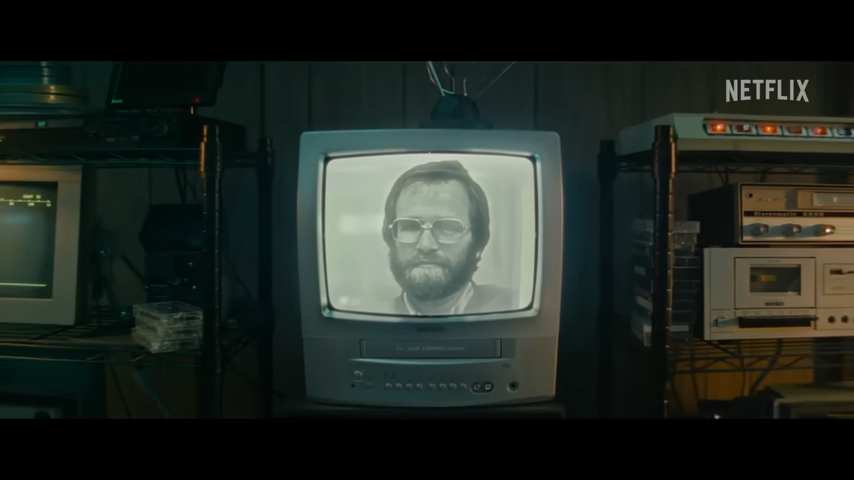
No one has ever been charged with the actual poisonings, but James William Lewis aka Robert Richardson, a resident of New York City, was convicted in connection with the case. He had sent a letter to Johnson & Johnson demanding $1 million in exchange for stopping the killings. Although he admitted to writing the letter, he denied any involvement in the murders.
Lewis was convicted of extortion and served 13 years in federal prison, but investigators long suspected he may have known more. He remained a person of interest until his death in 2023 at age 76. In a chilling twist, his final recorded interview appears in Netflix’s docuseries, offering one last opportunity for viewers to decide whether he was a mastermind—or just an opportunist.
https://www.tvacute.com/the-tylenol-murders-who-poisoned-chicago/
